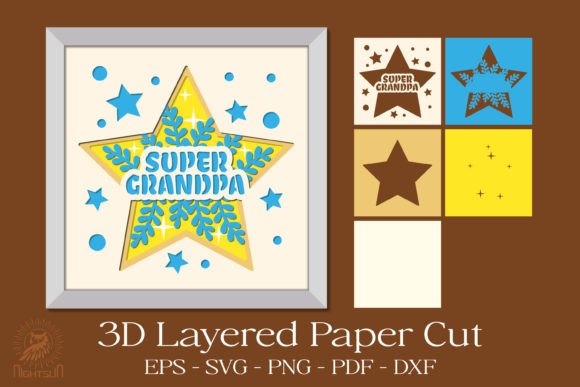
Super Grandpa 3D Layered Papercut SVG for Shadow Boxes
In the world of digital publishing, a single visual asset can determine whether a reader clicks through to your content or scrolls past it. As a designer who has spent years building editorial workflows and managing high-traffic content sites, I have learned that visual hierarchy is just as critical as the words on the page. Recently, I evaluated a specific graphic design asset called Super Grandpa 3D Layered Papercut SVG to see if it could elevate my brand identity and improve engagement metrics across various platforms. This review focuses on how this 3D SVG file fits into a real-world publishing strategy, from featured images to downloadable resources.
First Impressions: Setting the Editorial Mood
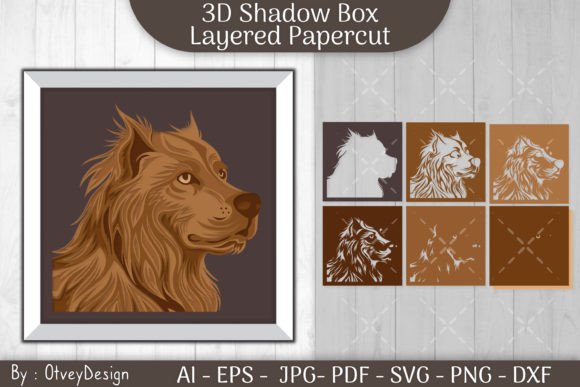
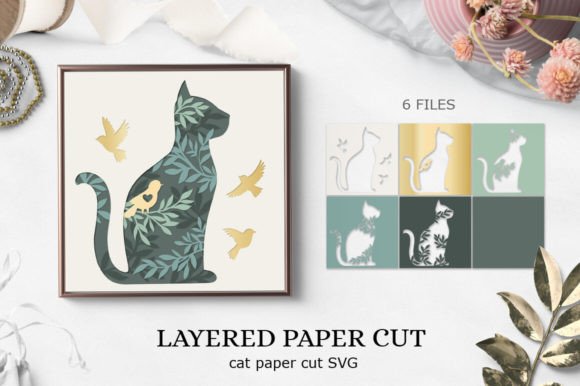
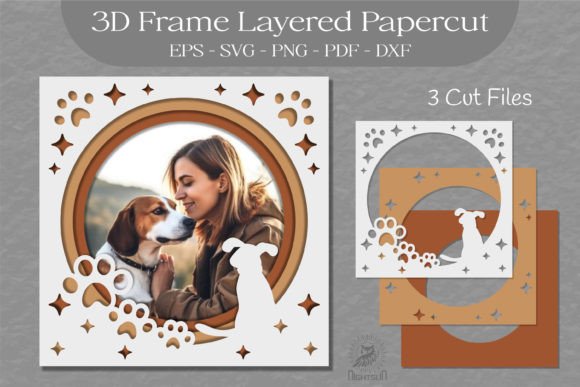
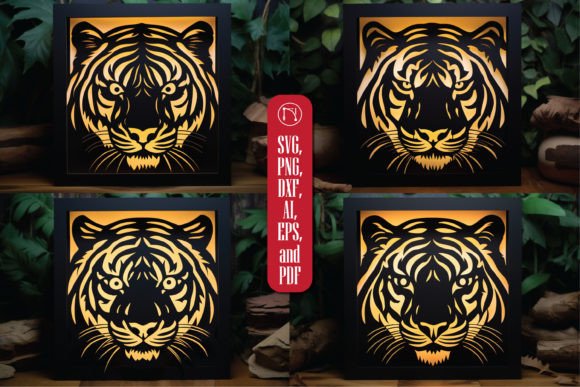
The moment I opened the files associated with Super Grandpa 3D Layered Papercut SVG, I was struck by the depth and texture inherent in the layered design. Unlike flat vector illustrations that often feel generic, this asset creates an immediate sense of tactile reality. It evokes a mood that is both nostalgic and modern, blending a playful aesthetic with a sophisticated artistic flair. For a blog or website owner, this distinction is vital because it signals to the reader that the content within is curated and crafted with care.
This particular design leans heavily into lifestyle-focused and creative niches. It feels warm, inviting, and slightly whimsical without being childish. When placed alongside serif fonts, it suggests a storybook quality that works beautifully for family-oriented blogs, parenting guides, or hobbyist communities. However, its clean lines also allow it to function well in more professional contexts, provided the surrounding layout respects its decorative nature. The asset naturally supports content that needs to look polished, clickable, and trustworthy, which are the pillars of successful content marketing.
Integrating Design Assets into Real Publishing Workflows
I do not believe in using graphics merely for decoration; every element must serve a functional purpose in the user journey. My workflow involves preparing a suite of visuals for different stages of the funnel, and Super Grandpa 3D Layered Papercut SVG proved versatile enough to handle several of these roles simultaneously.
For my blog's featured images, this asset provides a strong anchor point. By placing the layered papercut elements against a solid background, I created a clear focal point that draws the eye immediately. This is essential for increasing click-through rates on social media feeds where attention spans are short. I also utilized the layers to create custom Pinterest pins. Because the design has built-in depth, it stands out significantly more than standard flat icons on a crowded feed, effectively stopping the scroll.
Beyond static posts, I integrated this design into my digital products. The high-quality PNGs were perfect for creating eBook covers and lead magnets. A well-designed cover acts as a promise of value, and the intricate details of Super Grandpa 3D Layered Papercut SVG suggest that the downloadable guide inside is comprehensive and professionally produced. Furthermore, the inclusion of AI, EPS, and DXF files meant I could easily manipulate the shapes in my preferred software to fit specific newsletter headers or category thumbnails. This flexibility is crucial for maintaining a consistent brand identity across all touchpoints.
Enhancing Performance Through Visual Strategy
One of the primary goals of any digital publisher is to build reader trust. Inconsistent or low-quality imagery can undermine even the most well-written articles. Using a cohesive set of design assets like this one helps establish a recognizable visual language. When a visitor sees the same stylistic elements in a blog post, a social media ad, and a landing page, they subconsciously recognize the brand, which increases the likelihood of conversion.
The layered nature of this 3D SVG allows for dynamic composition. I found that arranging the layers to create a slight tilt or perspective added a sense of movement to otherwise static layouts. This technique improves the overall aesthetic appeal and makes the content feel more engaging. Whether I was designing a media kit for potential sponsors or creating visuals for affiliate marketing campaigns, the asset provided a level of polish that elevated the perceived value of the offer. Stronger first impressions directly correlate with better performance metrics, and this tool delivered exactly that.
Strategic Placement: Where It Shines
To get the most out of Super Grandpa 3D Layered Papercut SVG, strategic placement is key. It excels in hero images where it can be displayed at full size to showcase its detail. It is equally effective as an editorial accent in long-form articles, breaking up text blocks and adding visual interest without distracting from the narrative. For content upgrades, such as printable worksheets or checklists, the asset serves as a perfect header or border element, making the resource feel like a premium product rather than a freebie.
Social media previews also benefit greatly from this design. The distinct silhouette ensures that the image remains identifiable even when scaled down. Additionally, for those using Canva templates or other drag-and-drop builders, the included formats make it easy to integrate this style into existing designs quickly. It is a robust choice for small business branding, allowing entrepreneurs to maintain a professional look without hiring a dedicated graphic designer for every single post.
Pitfalls to Avoid in Web Design
While this asset is powerful, it is not a universal solution for every scenario. I advise caution when using Super Grandpa 3D Layered Papercut SVG in environments where simplicity is paramount. On small mobile thumbnails, the intricate layers may become indistinguishable, turning into a muddy blob of color. In these cases, a simplified version or a flattened icon might be more appropriate.
Furthermore, this design should be used carefully on text-heavy blog images where legibility is the priority. The decorative nature of the papercut style can compete with headlines if the contrast is not managed correctly. It is generally unsuitable for serious professional niches, such as corporate law or medical services, where a minimal and strictly utilitarian visual system is required. Similarly, busy layouts with multiple competing graphics can overwhelm the viewer, so ensure the asset is given enough white space to breathe.
Essential Publisher Notes for Implementation
Before deploying Super Grandpa 3D Layered Papercut SVG on a live site, there are several technical checks you must perform. Always test the asset on desktop and mobile screens to ensure the scaling behaves as expected. Preview it inside a real blog layout to see how it interacts with your existing typography and color palette. It is also wise to test the graphic with different font styles, including serif, sans-serif, script, and display fonts, to find the best pairing.
Contrast and readability are non-negotiable. Try viewing the image in black and white to ensure the form holds up without color cues. You must also review the file size for web performance; large high-resolution images can slow down page load times, which negatively impacts SEO. Compress images properly before uploading them to your content management system. Finally, always confirm your commercial license. If you are using this on monetized websites, affiliate pages, or paid content products, ensure you have the rights to use the design commercially to avoid legal issues.
The package includes a comprehensive range of formats, ensuring compatibility with various tools. You receive an SVG for cutting, along with AI CS6 and EPS files for professional vector editing. High-quality PNGs are provided for raster-based workflows, while PDF and DXF files offer additional utility for print and laser cutting projects. This variety makes it a true multi-purpose tool for the modern digital creator.
Ultimately, Super Grandpa 3D Layered Papercut SVG is more than just a clipart image; it is a foundational element for building a cohesive and attractive online presence. By thoughtfully integrating this asset into your editorial design and web design strategies, you can create content that not only looks beautiful but also performs exceptionally well in the competitive digital landscape.