Pet 3D Shadow Box: A Designer's Practical Review
As a designer who has spent years navigating the intersection of digital assets and tangible thread, I approach every new Pet 3D Shadow Box design with a critical eye. It is not enough for a file to look good on a screen; it must translate seamlessly into a finished product that withstands the scrutiny of a customer holding it in their hands. When evaluating this specific asset for my upcoming line of personalized home decor and custom apparel, I am looking beyond the marketing fluff to understand how the geometry, depth, and layering will behave under the needle.
The Visual Impact of Depth in Embroidery
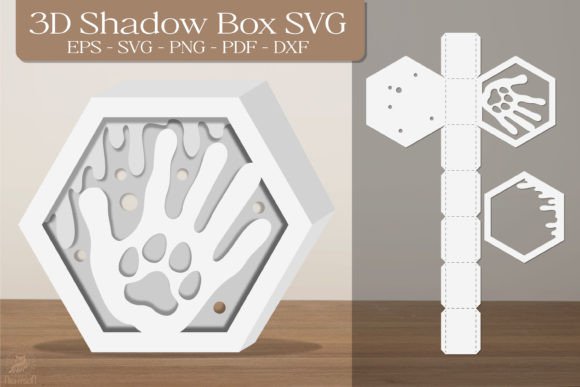
The first impression of the Pet 3D Shadow Box is one of playful dimensionality. Unlike flat vector art that often loses character when stitched, this design leverages the concept of shadow layers to create a sense of volume. In the context of embroidery, where we rely heavily on fill stitch and satin stitch to build texture, a design that inherently suggests depth offers a significant advantage. The layout feels balanced, avoiding the common pitfall of overcrowding while maintaining enough detail to justify a premium price point.
For a small business owner or an Etsy seller, visual appeal is currency. When I visualize this as a tote bag design or a patch on a denim jacket, the layered effect creates a focal point that draws the eye immediately. The mood is warm and inviting, making it an excellent candidate for holiday embroidery gifts or nursery decor. However, the true test lies in execution. How does the "shadow" element hold up when converted from a crisp digital line to a textured fabric surface?
Real-World Application: From Screen to Stitch
Let us consider a practical scenario: preparing a custom embroidered sweatshirt for a local boutique client who wants a unique pet-themed collection. The client needs something that stands out against the competition but remains professional. Using the Pet 3D Shadow Box here presents an interesting challenge and opportunity. The design’s structure suggests it would work beautifully as a chest logo or a back-of-shirt statement piece.
When planning the stitch density, I note that the shadow layers require careful management. If the density is too high, the fabric may pucker, especially on a stretchy garment like a sweatshirt. Conversely, if the density is too low, the shadow effect might disappear, leaving a flat, unimpressive result. This is where the versatility of the included file formats becomes crucial. With access to SVG For Cutting, file AI CS6, and file EPS, I have the flexibility to manipulate the layers before digitizing. I can separate the main subject from the shadow elements to apply different stitch types—perhaps a tighter fill for the pet silhouette and a more open, running stitch for the shadow to suggest distance without adding bulk.
This adaptability is vital for commercial embroidery. Whether I am creating a personalized gift for a dog lover or a batch of merchandise for a craft fair, the ability to adjust the design ensures consistency across different materials. The High Quality PNG is also useful for creating printable mockups to show clients exactly how the final piece will look before committing to expensive thread and fabric.
Navigating Fabric Challenges and Technical Constraints
While the design is promising, experienced designers know that no asset works universally without adjustment. The Pet 3D Shadow Box requires careful consideration regarding fabric texture and hoop size. On textured fabrics like canvas or heavy linen, the intricate details of the shadow layers might get lost. Similarly, on thin or highly stretchy fabrics, the tension required to maintain the shape of the 3D effect could cause distortion.
I strongly advise testing the design on scrap fabric first. This step is non-negotiable. You need to verify how the stabilizer interacts with the specific stitch pattern you intend to use. For instance, on a dark fabric background, the contrast between the pet silhouette and its shadow must be managed carefully. If both are stitched in similar tones, the 3D illusion fails. You might need to introduce a pop of color or a metallic thread for the shadow to ensure visibility.
Furthermore, consider the hoop size. While the files provided include file PDF and file DXF, which are great for cutting machines and laser engraving, embroidery requires precise scaling. If you attempt to shrink this design too much for a cap or a baby onesie, the delicate separation between the layers may merge during stitching, resulting in a muddy appearance. Always inspect small details and confirm that the scale maintains the integrity of the design.
Maximizing Value for Your Craft Business
For the creative entrepreneur, the value of Pet 3D Shadow Box extends beyond a single project. It serves as a robust digital embroidery file asset that can be adapted for various product lines. Imagine using it for an embroidered patch that customers can sew onto their own bags, or as a central motif on a kitchen towel set. The design’s personality allows it to fit naturally into a brand identity focused on warmth, companionship, and handmade quality.
However, buyer engagement relies on professionalism. A poorly executed shadow box design can make a handmade product look amateurish. By taking the time to review thread colors, check whether the design works for both personal and commercial projects, and confirm licensing before selling finished items, you protect your brand reputation. The inclusion of multiple file formats like AI CS6 and EPS empowers you to customize the asset to meet specific client needs, such as resizing for a large pillow cover or simplifying details for a quick-turnaround order.
Final Thoughts on Design Integrity
In conclusion, the Pet 3D Shadow Box is a versatile tool for the modern maker, provided it is treated with the technical respect it deserves. It offers a fresh take on pet-themed decor that moves away from cliché flat icons toward something with genuine visual weight. As you integrate this into your workflow, remember to compare light and dark fabric backgrounds and use proper stabilizer to ensure the longevity of the finished product.
Whether you are a hobbyist creating a heartfelt personalized gift or a seasoned decorator building a small shop product line, this design has the potential to elevate your work. Just as with any machine embroidery design, success comes from understanding the limitations of the medium and leveraging the strengths of the file. With the right preparation, the Pet 3D Shadow Box can become a signature piece that customers recognize and trust, turning a simple digital download into a cherished physical keepsake.