Paper Cut Christmas 3d SVG Template Review
As a designer who has spent years navigating the intersection of digital assets and physical stitching, I approach every new file with a critical eye. When I first opened the Paper Cut Christmas 3d SVG Template, my initial reaction was one of cautious optimism. The aesthetic is undeniably charming, capturing that whimsical, layered depth often seen in high-end holiday cards. However, for those of us translating these visuals into thread on fabric, the leap from a flat vector to a three-dimensional machine embroidery design requires careful consideration. This review breaks down how this specific asset performs when moved from the screen to the hoop, specifically for real-world projects.
The Visual Promise vs. Stitching Reality
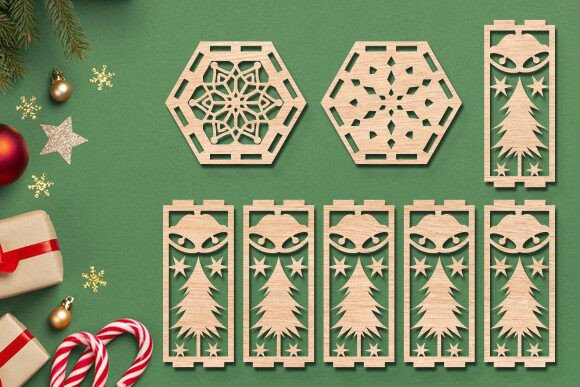
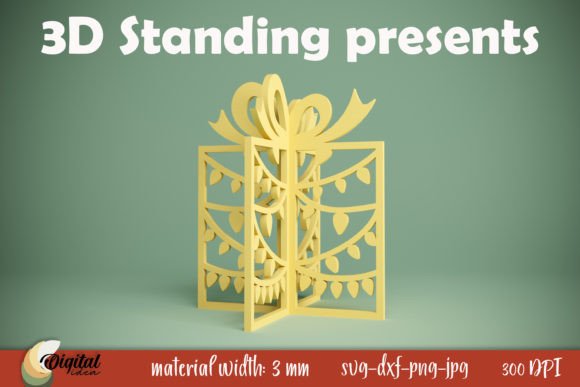
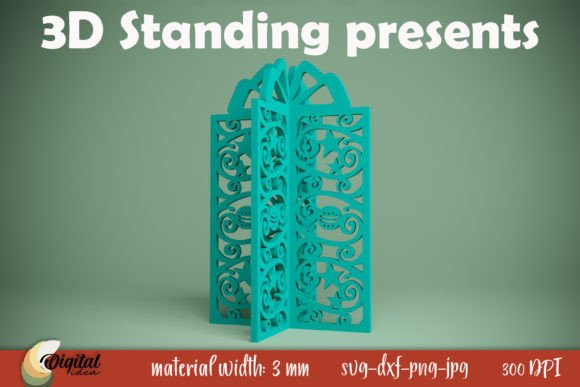
The core appeal of the Paper Cut Christmas 3d SVG Template lies in its illusion of depth. In a Laser Cutting context, layers are physically stacked to create shadows and dimension. In embroidery, we must simulate this effect using stitch density, thread texture, and layering techniques like applique design. My first impression of the mood it creates is festive yet sophisticated. It moves away from the cliché red-and-green tropes, offering a more modern, artistic take on winter themes that fits perfectly within the Winter Amp category of seasonal decor.
However, the "3D" aspect is where the challenge begins. When I visualized this as an embroidery project, I immediately thought about the complexity of the corners. The sharp angles inherent in paper cut styles can be problematic for standard fill stitch or satin stitch execution. If the digitization isn't precise, those crisp edges can soften or pucker, losing the very definition that makes the template attractive. For a handmade product intended for sale, maintaining that sharpness is non-negotiable.
Real-World Application: A Holiday Tote Bag Scenario
To truly test the viability of this design, let's imagine a practical scenario. You are an Etsy seller preparing a line of premium holiday tote bags. You want to use the Paper Cut Christmas 3d SVG Template as the centerpiece on a sturdy canvas bag. The goal is to create a personalized gift that feels artisanal and high-value.
In this context, the design works beautifully if you treat it as a multi-step process. Instead of trying to stitch all layers at once, you would likely need to break the design down. The background elements could be a dense running stitch or a textured fill to mimic the shadow of the paper layers. The foreground elements, perhaps the ornaments or snowflakes, would require a clean satin stitch outline to pop against the background. This approach transforms a simple digital embroidery file into a tactile, dimensional piece.
Customers buying a tote bag design like this are looking for uniqueness. They aren't just buying a bag; they are buying a statement piece. If the Paper Cut Christmas 3d SVG Template is executed well, the visual appeal skyrockets. The perceived value of the finished product increases because the stitching looks intentional and complex. Conversely, if the thread colors clash or the stitch density is too heavy for the canvas, the result can look muddy and cheap, damaging your brand consistency.
Navigating Fabric and Hoop Constraints
Not every surface is suitable for this intricate style. While the Paper Cut Christmas 3d SVG Template is versatile, there are specific limitations you must respect. First, consider the hoop size. The layered nature of the design means it occupies significant space. Attempting to fit this into a small 4x4 inch hoop will likely result in distortion and registration errors between layers. For best results, I recommend a larger hoop, perhaps 6x10 or 8x8 inches, to allow the design to breathe.
Fabric choice is equally critical. On textured fabrics like fleece or heavy knit, the fine details of the paper cut style may get lost. The design shines on smooth surfaces like cotton blends, denim, or linen. If you are working with stretchy fabric or thin materials, the risk of puckering around the dense areas of the design increases significantly. Always use a high-quality stabilizer. For a project involving multiple layers of thread to achieve the 3D effect, a tear-away stabilizer might not be enough; a cut-away or water-soluble option is often necessary to support the weight of the stitches without warping the fabric.
Be particularly cautious with dark fabric. The "paper cut" aesthetic relies heavily on contrast and shadow. On black or navy backgrounds, you will need to adjust your thread colors carefully to ensure the layers remain distinct. Testing the design in black and white mockups before committing to expensive thread is a smart move for any small shop product launch.
Strategic Use for Commercial Success
For creative entrepreneurs and apparel decorators, the Paper Cut Christmas 3d SVG Template offers a unique selling proposition. It stands out in a sea of generic holiday designs. Whether you are creating baby embroidery items like onesies, sweatshirt embroidery for family matching sets, or decorative pillow covers, the design adds a touch of elegance.
However, do not overlook the importance of licensing. Before integrating this into your commercial embroidery workflow, confirm the terms of use. Can you sell the finished goods? Can you offer the digitized version as a digital product? Understanding these boundaries protects your business and ensures you are operating ethically. If the license allows for commercial use, this asset becomes a powerful tool for generating revenue during the peak holiday season.
Final Designer Notes and Best Practices
Before you commit to a full production run, follow these practical steps:
- Test on Scrap Fabric: Never skip this step. Run a test stitch on a scrap piece of the actual fabric you plan to use. Check for puckering, thread tension issues, and color accuracy.
- Review Stitch Density: Ensure the fill areas are not so dense that they make the fabric stiff, nor so loose that the backing shows through.
- Inspect Small Details: Zoom in on the smallest elements of the Paper Cut Christmas 3d SVG Template. If they are too tiny, they may not stitch cleanly. Be prepared to simplify or enlarge them slightly.
- Compare Light and Dark Backgrounds: Create printable mockups to visualize how the design translates across different fabric colors.
- Check File Formats: While the source files include DWG, DXF, and AI for laser cutting, ensure you have the correct embroidery file format (like PES, DST, or XXX) compatible with your machine.
In conclusion, the Paper Cut Christmas 3d SVG Template is a fantastic resource for designers willing to put in the extra effort to adapt it for thread. It is not a "load and go" solution for beginners, but for experienced makers, it offers a pathway to creating stunning, high-value finished products. By respecting the nuances of fabric texture, managing stitch density, and choosing the right applications, you can turn this digital concept into a tangible masterpiece that delights customers and elevates your craft business.