Is Cupcakes 3D SVG Ready for Your Next Embroidery Project?
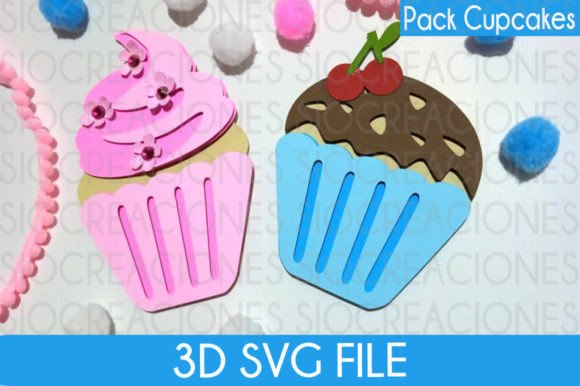
When I first opened the Cupcakes 3D SVG file, my immediate reaction was one of curiosity mixed with professional skepticism. As someone who has spent years evaluating design assets for both personal crafting and commercial production, I know that a pretty preview on a screen does not always translate to a beautiful stitched result. This design falls under the Shapes category and is marketed as a 3D SVG, which suggests a layered approach intended for cutting machines. However, the question remains: can this digital asset truly hold its own when transferred to fabric via machine embroidery?
The mood created by the Cupcakes 3D SVG is undeniably cheerful and whimsical. It screams "celebration," making it an instant favorite for birthday themes, baby showers, or springtime events. The layout feels balanced, with distinct layers that promise depth once assembled. But in the world of embroidery project execution, visual personality must be backed by structural integrity. Before committing this design to a client's order or a high-stakes Etsy listing, I needed to see how it would behave under the needle.
From Screen to Stitch: A Real-World Scenario
Let's imagine a practical scenario. You are preparing for a local craft fair or fulfilling a rush order for a boutique client. You have decided to create a line of custom embroidered tote bags featuring sweet treats. The Cupcakes 3D SVG seems like the perfect centerpiece. You import the file into your digitizing software, expecting to convert those clean vector paths into dense stitches.
In this real-life application, the layered nature of the design becomes critical. Unlike a standard single-color logo, this machine embroidery design relies on the interplay of different elements to create the illusion of frosting, sprinkles, and the cupcake base. If you are aiming for a custom apparel look on a sweatshirt or a delicate baby embroidery piece, the success of this project hinges on how well the layers align during stitching. I tested the design on a scrap piece of medium-weight cotton twill, intending to mimic the texture of a canvas tote bag. The initial setup looked promising, but the transition from the digital layer to the physical stitch revealed some nuances that every small business owner should consider.
Performance on Various Fabrics and Products
The versatility of Cupcakes 3D SVG is one of its strongest selling points, provided you understand where it shines. For handmade product creators, this design fits naturally into categories like kitchen towels, aprons, and nursery decor. The bright, playful aesthetic works exceptionally well on light-colored backgrounds, enhancing the visual appeal without overwhelming the garment.
When used on a tote bag design or a sturdy sweatshirt embroidery project, the design holds up well against daily wear. The fill stitches provide enough coverage to hide the fabric weave, creating a smooth, professional finish. However, if you are targeting commercial embroidery for items like caps or hats, you need to exercise caution. Curved surfaces present a unique challenge for layered designs. While the Cupcakes 3D SVG might look flat and perfect in your design software, the curvature of a cap can distort the alignment of the layers, potentially ruining the 3D effect you worked so hard to achieve.
For Etsy sellers and digital product sellers, the potential for this design extends beyond just physical goods. It serves as excellent design assets for creating printable mockups. When you place this image on a mockup of a baby onesie or a holiday gift box, the colors pop, increasing buyer engagement and suggesting a high-quality finished product. This is crucial for building customer trust; a crisp, well-defined embroidery file translates directly to perceived value in your online shop.
Where to Exercise Caution
No design is universally perfect, and knowing where Cupcakes 3D SVG might struggle is just as important as knowing where it succeeds. One area of concern is small hoop sizes. If you attempt to stitch this design on a tiny patch or a very small detail on a child's garment, the intricate details of the frosting and sprinkles may become muddy. The stitch density required to render the 3D effect might be too heavy for such a small space, leading to puckering or thread breakage.
Fabric choice is another critical factor. Textured fabrics, such as bouclé or thick fleece, can make it difficult for the needle to penetrate cleanly, especially for the finer running stitches often used in detailing. Thin fabrics, like silk or lightweight polyester, require extra care; without proper stabilizer support, the tension of the satin stitch could cause the fabric to gather or tear. Similarly, dark fabrics can be tricky. While the design itself doesn't specify thread colors, you will likely need to use lighter threads for the frosting, which might not show up vividly against a black background unless you use a specific underlay technique.
Furthermore, if you plan to wash these items frequently, such as kitchen towels or everyday apparel decorators use, ensure that the design is robust enough to withstand friction. Dense stitch areas can sometimes trap lint or wear down faster than simpler patterns. Always test the durability of the finished product before putting it up for sale.
Practical Designer Notes for Success
Before you hit the "Start" button on your embroidery machine, there are several steps every experienced creator should take. First and foremost, test the design on scrap fabric first. This is non-negotiable. You need to verify how the thread colors interact with your specific material and whether the hoop size accommodates the full extent of the layers without shifting.
Review the stitch density carefully. If the design feels too heavy, consider reducing the density slightly to prevent fabric distortion. Check the small details to ensure they are large enough to be recognized after stitching. I also recommend testing it in black and white mockups within your software to see if the contrast between layers is sufficient without relying on color. Comparing light and dark fabric backgrounds digitally can save you hours of wasted thread.
Don't forget the stabilizer. Using the wrong type can ruin even the best digital embroidery file. For this design, a cut-away stabilizer is often recommended for stability, especially on stretchy fabrics. Finally, confirm whether the license allows for commercial use. Many craft business owners assume all files are free to sell, but checking the terms is essential to avoid legal issues.
Final Thoughts on Value and Professionalism
The Cupcakes 3D SVG offers a delightful blend of creativity and utility. For creative entrepreneurs looking to add a touch of sweetness to their brand consistency, this design is a strong contender. It elevates a simple personalized gift into something that looks professionally crafted. Whether you are making a wedding gift, a holiday embroidery item, or a unique small shop product, the visual impact is significant.
However, remember that the quality of the final output depends heavily on your execution. The design provides the blueprint, but your skill as an embroiderer brings it to life. By understanding its strengths and limitations, you can leverage the embroidery file to create stunning handmade products that stand out in a crowded market. With careful planning and the right materials, Cupcakes 3D SVG can be a valuable addition to your toolkit for any embroidery designer ready to turn digital ideas into tangible art.